
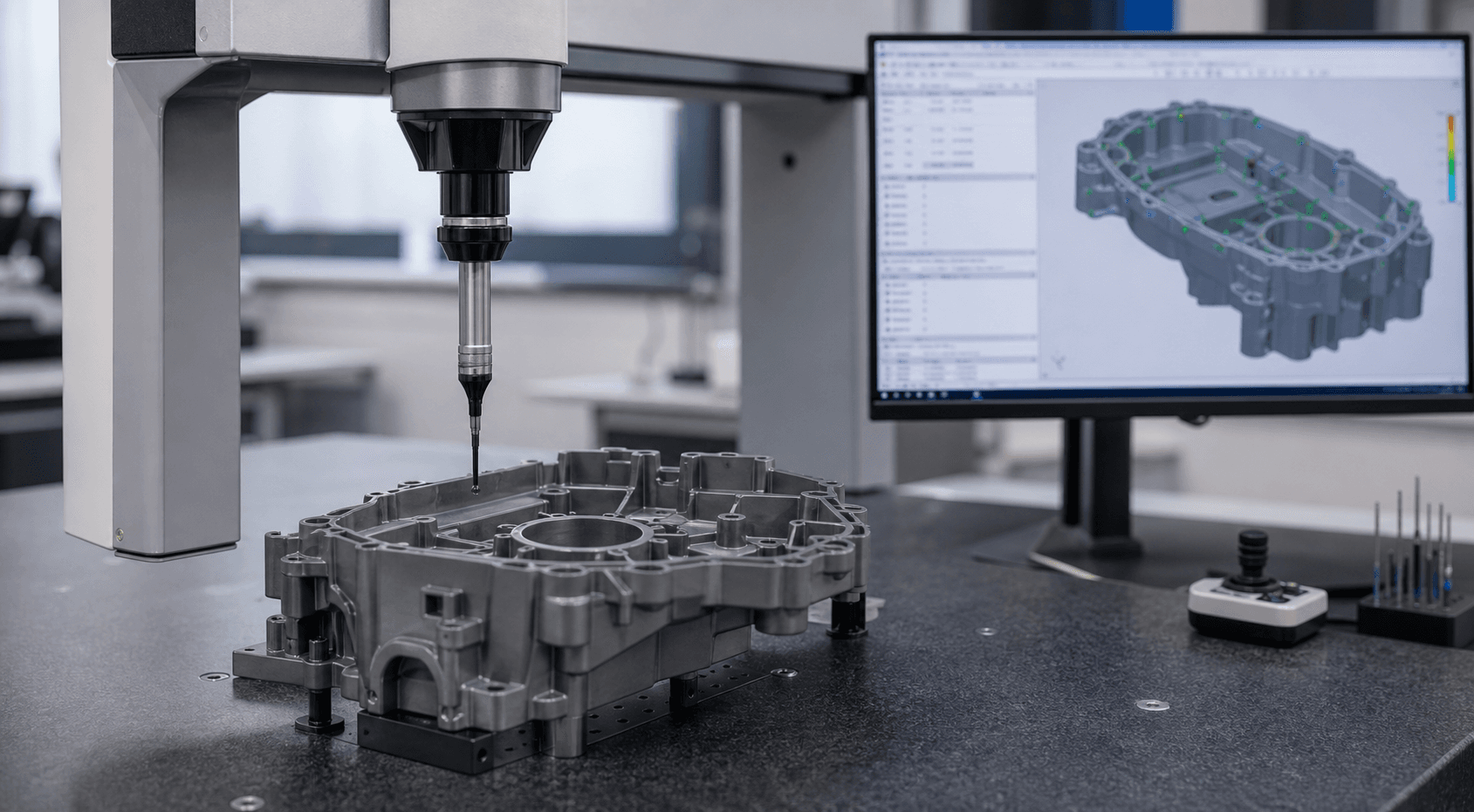
Send production-ready geometry where possible
STEP, STL and common CAD exports give the engineering team a better starting point than screenshots alone. If the design is still early, include notes about which dimensions or features are flexible.
For assemblies, it is helpful to identify the parts that need to be manufactured and the parts that are only provided as context.
Call out critical requirements
Not every dimension needs the same level of control. Marking critical interfaces, visible surfaces, threaded areas or snap-fit features helps the quotation team understand where precision matters most.
If the part needs finishing, painting, transparency or a specific color, include that requirement at the RFQ stage.
Include quantity and usage
Quantity changes the recommended process. One prototype, ten engineering samples and one hundred bridge-production parts may all point to different manufacturing routes.
A short note about the part's intended use often saves time and leads to a more practical recommendation.